In this second installment of my “Meditation Coaching Demo” series, I’m sharing 2 sessions from meditators who have distinctly different practices. Dave is using a mindfulness-based practice which he also applies in his Aikido practice and interactions at work. Hila has a “mantra” based practice and uses guided meditation and the repetition of a mantra for the basic preparation of her daily Nia routine. I think you will gain a lot from these 2 different meditation approaches in this installment of my Meditation Coaching Demo Series.
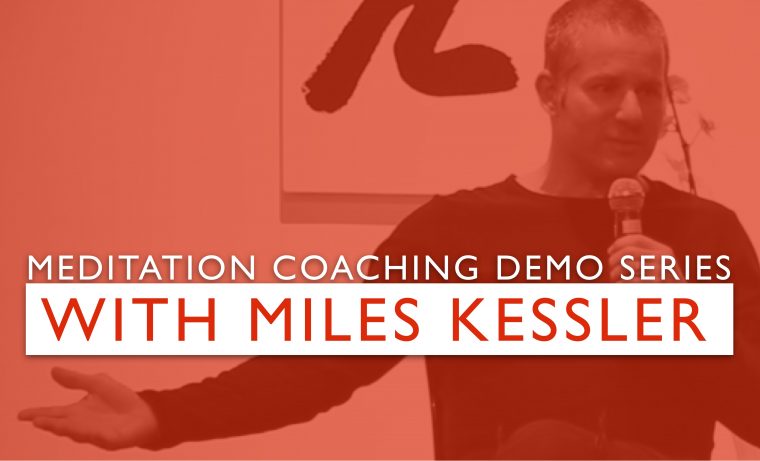
If you want to establish mindfulness and deepen your meditation practice then there is no substitute for working with a meditation teacher and guide. Part of my role in my meditation courses, trainings, and retreats is to closely follow my student’s meditation and help them fine-tune, clarify, and stay on track in their practice. For this reason, I am creating a series of recorded meditation interviews showing you the process of how I work with students. Welcome to the Meditation Coaching Demonstration Series.
Integral Aikido Intensive, w/ Miles Kessler | Maastricht, Holland

Buddhist Psychology w/ Miles Kessler – Day Workshop | Maastricht, Netherlands
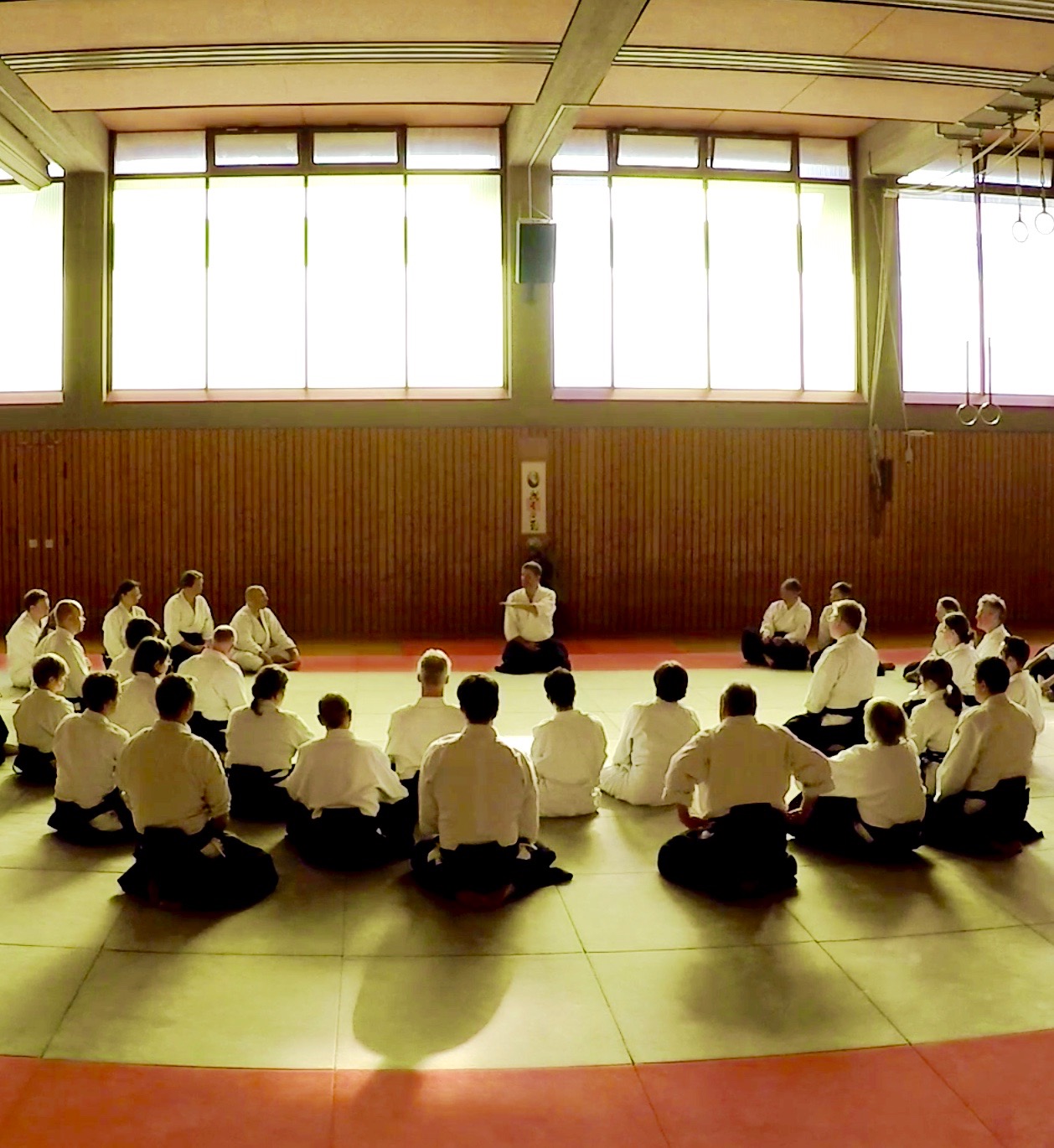
CANCELED DUE TO COVID – Dortmund, Germany – Integral Aikido Seminar, w/ Miles Kessler Sensei (6th Dan)
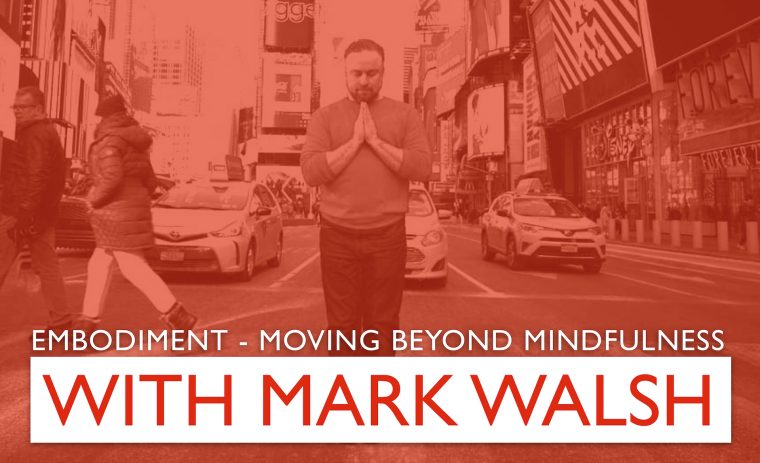
If you are a reader of my blog then there is a good chance that you are into “embodiment” in one way or another. If you look out into the embodiment world you will very quickly run into the prolific work of Mark Walsh. This is why when he asked me to endorse his new book I wrote “No other person has had a bigger impact reclaiming “embodiment” for the mainstream as Mark Walsh.” Mark’s new book has just been launched so it felt timely to invite him to join me in another Dharma Discussion and a fun and free-flowing exploration of Embodiment – Moving Beyond Mindfulness.
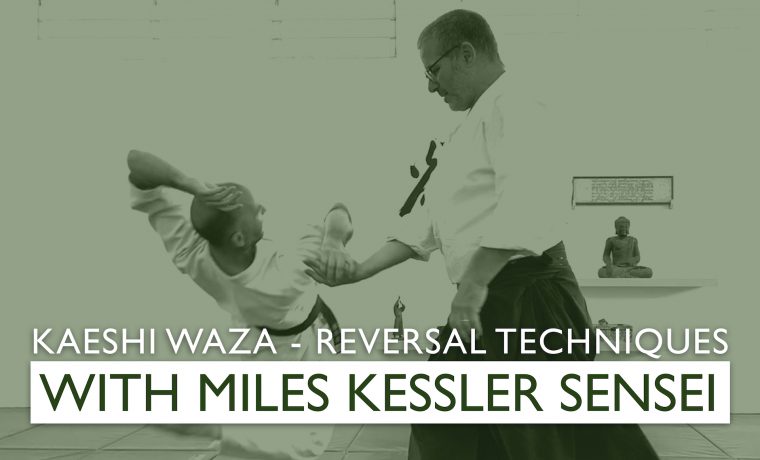
How complex is your Aikido? I don’t mean “how complicated” is your Aikido. But rather your ability to perceive, respond and perform with complexity. Every developmental stage of your practice can be described as a progression through levels of complexity. Each level of practice is based on a solid understanding of the previous level and then adding to it more complexity. From beginners to intermediate, to advanced. In the video below I demonstrate one of the most advanced (and interesting) practices, “Kaeshi Waza” – Reversal Techniques In Aikido.
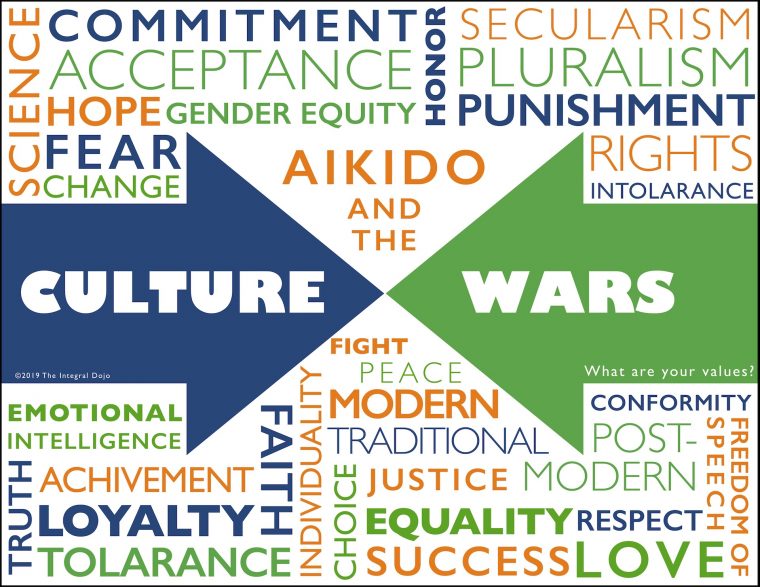
What are your Aikido values? Do you believe that loyalty to your Sensei is of the utmost importance? Or do you revere freedom of speech such that if push comes to shove, you’ll dare to speak truth to power? Or are you about deconstructing “dominating hierarchies” and fighting the good fight to ensure everyone has an equal seat at the table? Where you stand on these thorny issues depends on if your worldview is more traditional, modern, or post-modern. These often competing worldviews make up a conflict of values that impacts every aspect of our society and culture. This conflict is especially playing out in the Aikido world… inside every person, inside every dojo, and inside every Aikido organization. Welcome to Aikido and the Culture Wars.
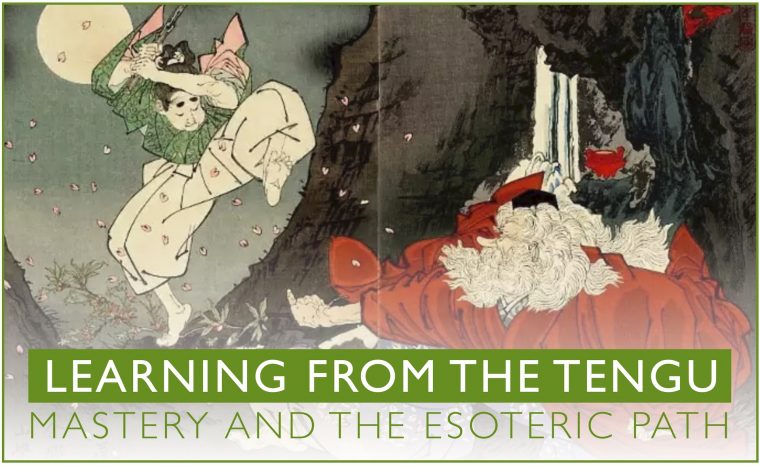
Part of any commitment to a higher “Path” of practice (martial arts, meditation, yoga, etc.) is the need to put in the time to develop skills in your given field. But whereas developing skill is indispensable on any Path, gaining Mastery is an entirely different matter. The development of skill is in the realm of the possible. Mastery, on the other hand, is in the realm of the mystical. To gain mastery you must commit to the inner Path of learning from the Tengu.