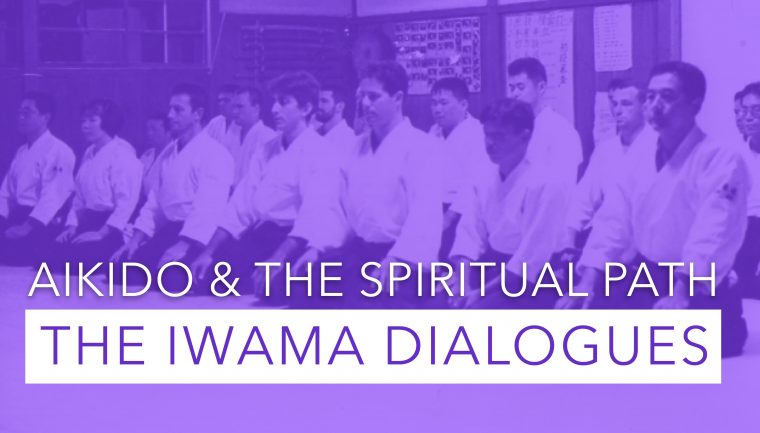
In this 2nd session of the “Shu-Ha-Ri Dialogues” series George Ledyard Sensei – Aikido (7th dan) shares his understanding of “Shu-Ha-Ri” in his Aikido experience with his primary teacher Mitsugi Saotome Sensei.
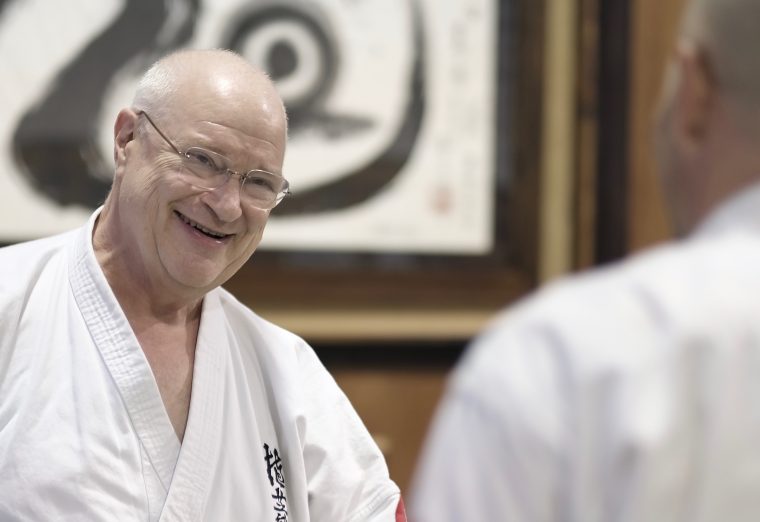
In this 2nd session of the “Shu-Ha-Ri Dialogues” series George Ledyard Sensei – Aikido (7th dan) shares his understanding of “Shu-Ha-Ri” in his Aikido experience with his primary teacher Mitsugi Saotome Sensei.
On January 24th, 2021 I launched the first in our “Shu-Ha-Ri Dialogues” series with Ellis Amdur Sensei. Amdur Sensei is a Koryu lineage holder ( Araki Ryu, Toda-Ha Buko-Ryu), a psychotherapist, and a prolific author. We kicked off this dialogue series with a wide-ranging discussion of the 3 stages of “Shu-Ha-Ri” – namely “Shu” – the conformity stage, “Ha” – the application stage, & “Ri” – the transcendent stage.
Is Aikido a martial art, or a spiritual path? From a martial perspective, if push came to shove, could you kill another to protect a greater good? On the other hand, from a spiritual perspective, in a moment of truth, could you sacrifice your own life for a greater good? Now the big question; how can you hold both of these perspectives in the same place at the same time? This KOAN is at the core of Aikido, and this is what we explored in this community call on Aikido: Martial Art Or Spiritual Path?
A few days ago I was happy to join Malory Graham Sensei once again for another deep and meaningful online discussion. This time I joined her on the All Things Aikido podcast for an exploration about “Aikido and Meditation: Is Your Practice Balanced?”
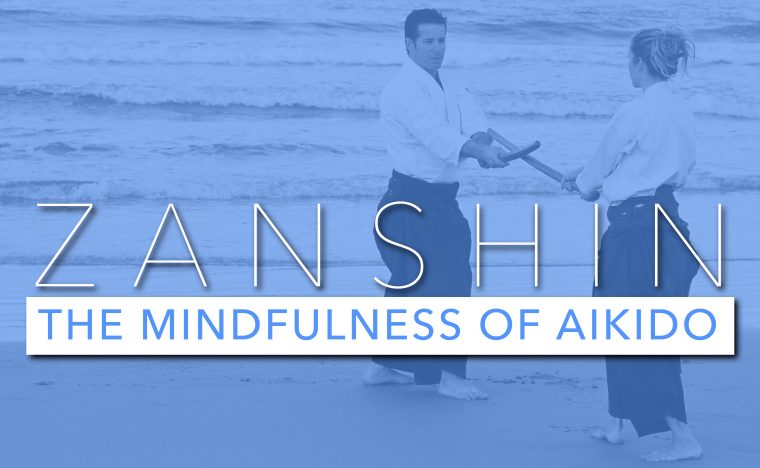
The biggest trend in personal development these days is “mindfulness.” The popularity of Mindfulness today is especially interesting because even though it is adopted as a post-modern practice, it has been the core transformative practice of spiritual awakening traditions for millennia. Mindfulness also happens to be the primary awareness training that lies at the heart of Aikido practice. We call it “Zanshin” – the mindfulness of aikido.
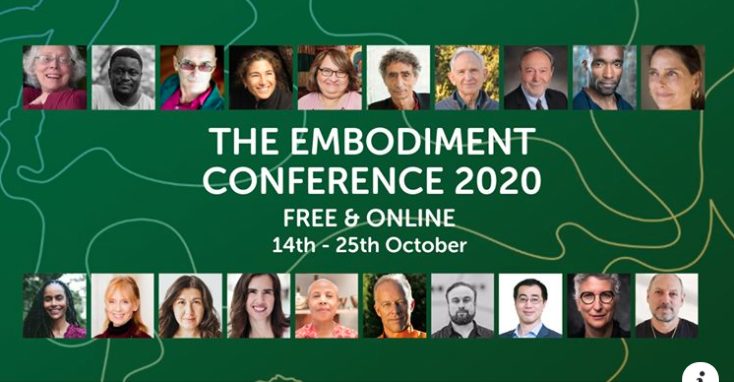
What if you could learn from your pick of ONE THOUSAND of the world’s top teachers, therapists, coaches, and thought leaders? Would you seize the opportunity? Well, this month is your chance! You can learn directly from some of the most inspiring men and women form the world of embodiment… and it is totally free. This is your chance to get a front-row ticket for The Embodiment Conference.
In the Buddhist tradition, a meditation teacher is called a “kalyana-mitta”, which means a “noble friend”, or a “spiritual companion.” They are men or women who have already walked the path and can in turn accompany you along your own journey. But are the qualities that make someone a meditation teacher or spiritual guide? I recently explored this question in a Community Call on the essential qualities of a meditation teacher, and how they relate to you.
I was recently interviewed by Layman Pascal from the “Integral Podcasters.” I don’t often go into full “Integral Geekiness” on this blog but in my conversation with fellow integralist Layman, I allowed myself to be out loud and proud in our wide-ranging discussion. Our dialogue returned again and again to a core integral communication skill for meeting others where they are, but not leaving them there.
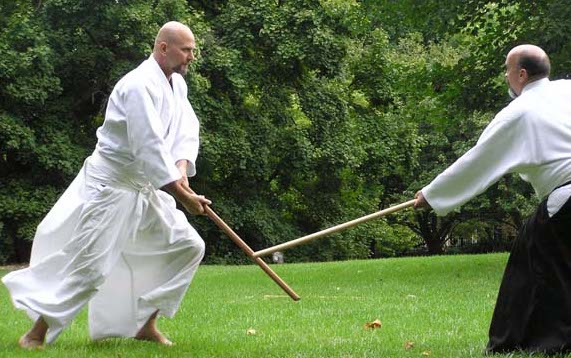
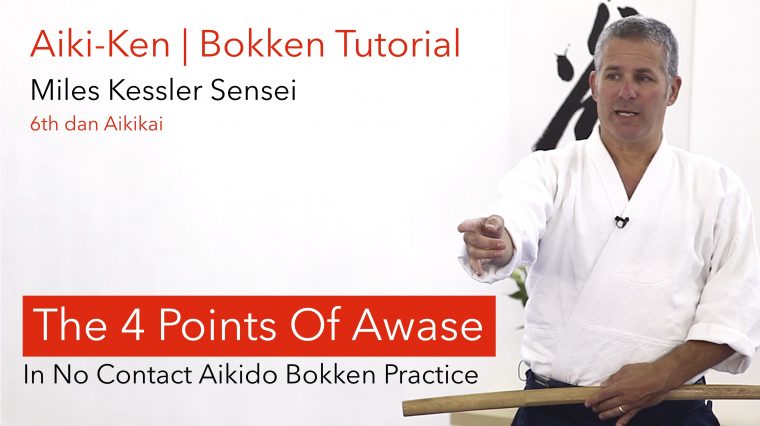
The term “Awase” in Japanese means “to blend”, “to join, or “to harmonize with.” It’s a core principle in our art and its value cannot be understated, simply because it applies to all aspects of your life, both on and off the mat. But when it comes to our training, perhaps the one Aikido practice that develops “awase” the most, is the weapons. In the below Aikido Bokken video tutorial, I will teach you the 4 points of “awase.”
Nothing makes life more meaningful than committing to something greater than yourself. Making such a commitment will lead you to discover your greater potential, and what is more meaningful than that? These days my most immediate commitments are to family and career. But for decades now I have been engaged in 2 longterm practice commitments that brought profound meaning to my life. These are none other than Aikido & The Spiritual Path.